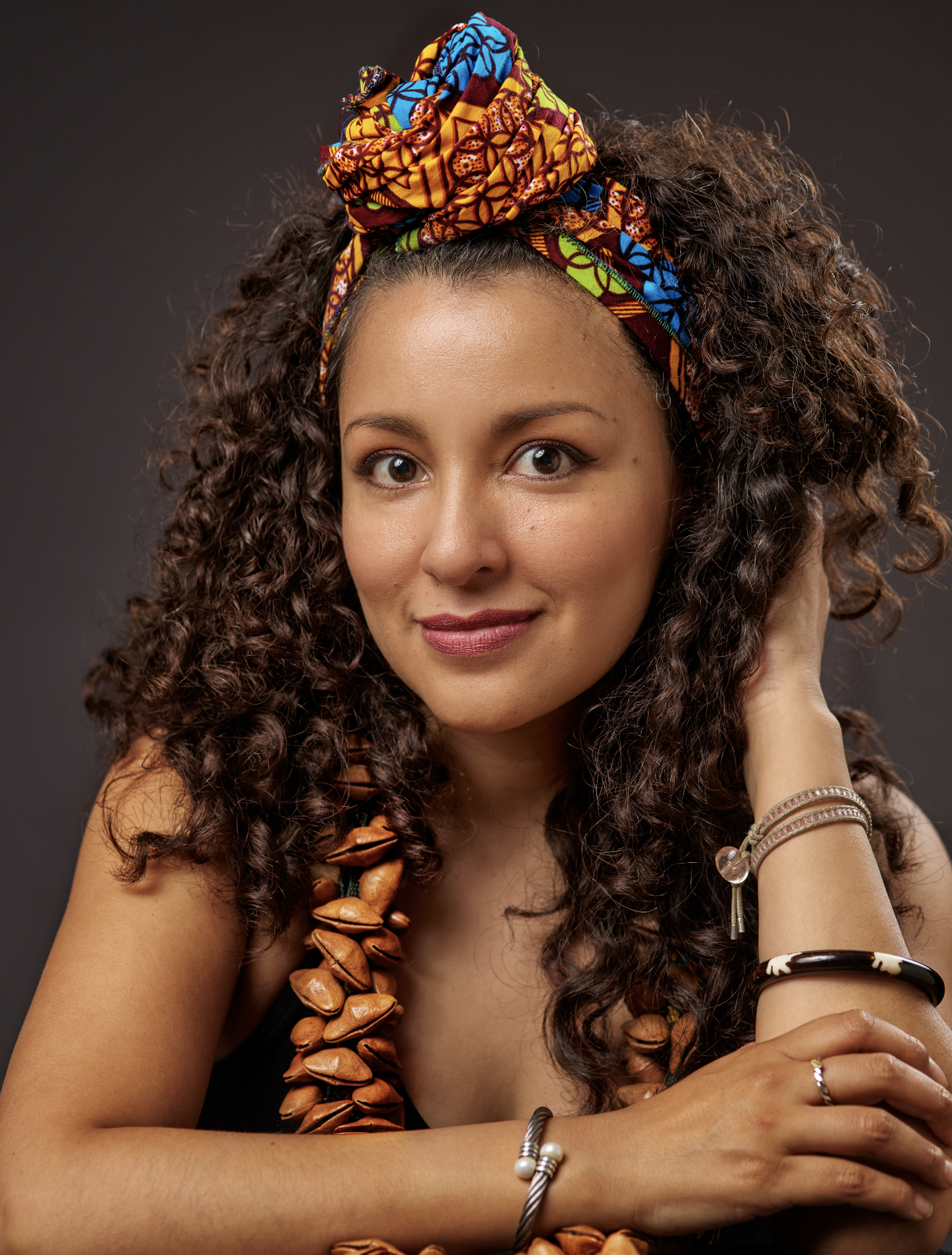
Araceli Poma
2026 Culture Push Fellow
Araceli Poma is a Peruvian vocalist, interdisciplinary artist, and culture bearer based in New York. Her work blends Andean and Afro-Peruvian traditions with contemporary performance, storytelling, and community-based practices. She is the co-creator of the international project Afro-Andean Funk and a two-time Latin Grammy nominee. Through her voice and ritual-based research, Araceli explores memory, migration, Indigenous cosmologies, and the future of endangered languages.
Through interviews, listening practices, and embodied sound, her projects explore themes of migration, intergenerational knowledge, and lived experience, creating spaces for dialogue between personal history and collective narratives.
PROJECT - RUNA SIMI: THE FUTURE TONGUE
My project, RUNA SIMI: The Future Tongue, grows from a personal question: What happens to our memories and sense of belonging when our ancestral languages fall into silence?
As a Peruvian woman living in New York, I carry Andean and Afro-Peruvian traditions through my voice, yet I have seen how Indigenous languages and the people who speak them often remain unseen. This project is my way of listening with intention and care.
RUNA SIMI focuses on meeting Indigenous speakers in New York, recording their stories and voices, and creating an intimate, community-centered archive. My goal is not a formal presentation, but a collective process where listening becomes a shared act and participants feel respected and supported.
With Culture Push’s support, I will begin this work slowly and thoughtfully—offering honoraria, conducting interviews, building trust, and gathering materials that honor the emotional and cultural depth in each voice. This fellowship provides the environment I need to approach the project with sensitivity, reciprocity, and a commitment to community imagination.
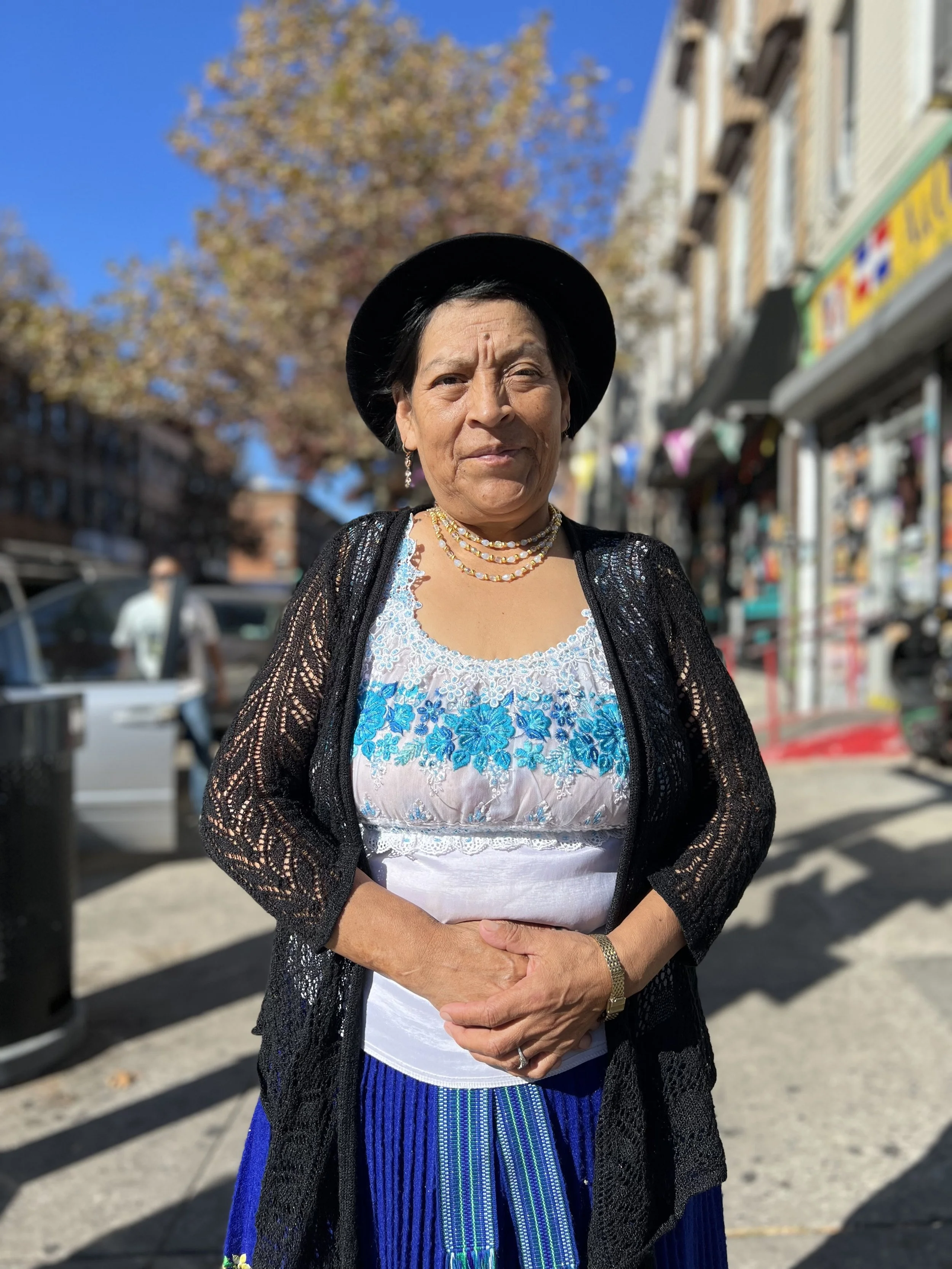
the photograph represents an early moment in the project’s research and interview process. As the work is still in development, the visual language will continue to evolve, and this image should be understood as a reflection of the process rather than a final or definitive representation of the project.