Genesis Project, Philadelphia
Last update: Sept. 2009
Genesis Project, Philadelphia provides a space for individualized artistic inquiry, in addition to horizontal exchange of knowledge and cross-disciplinary collaboration, as defined by the resident artists.
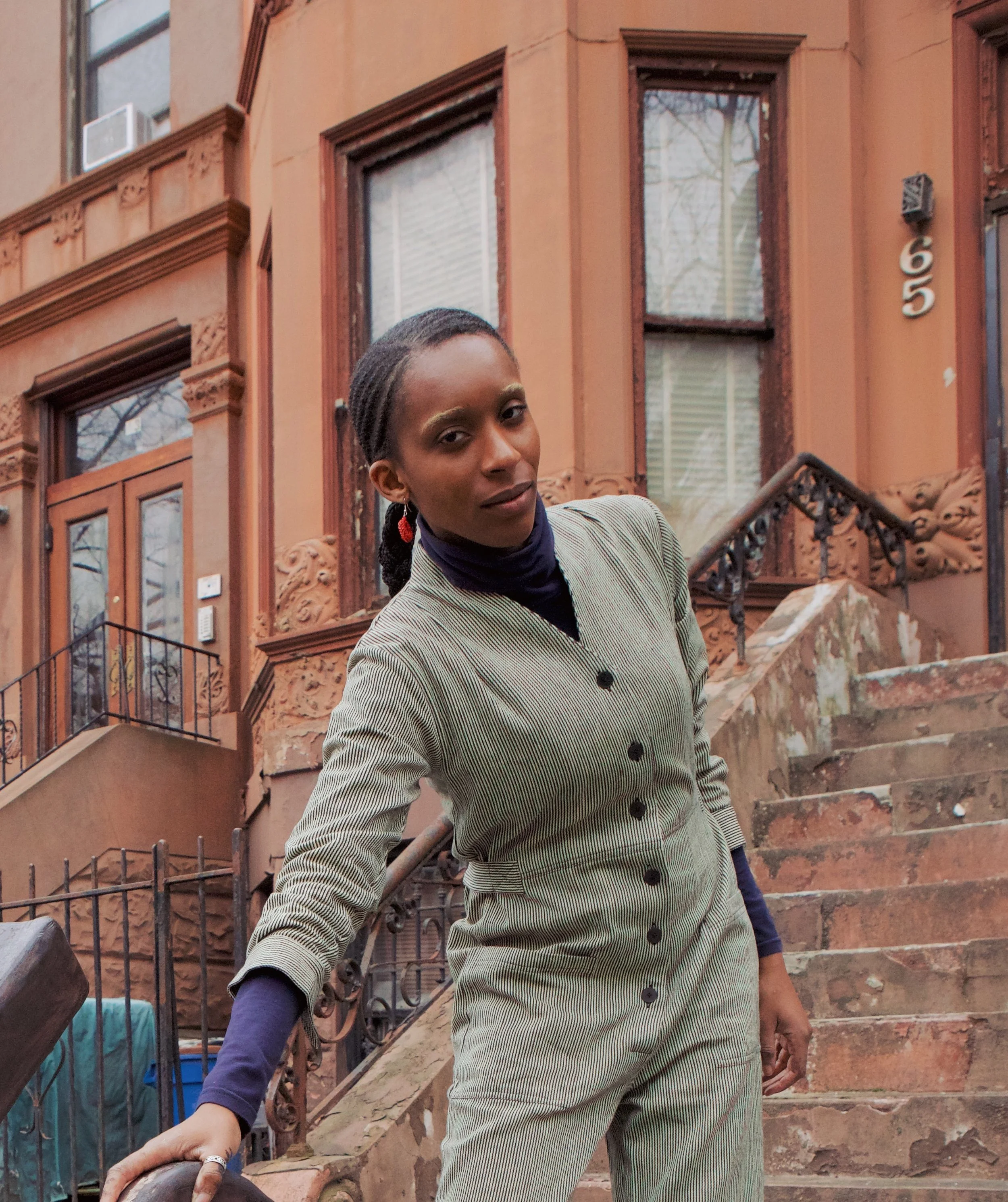
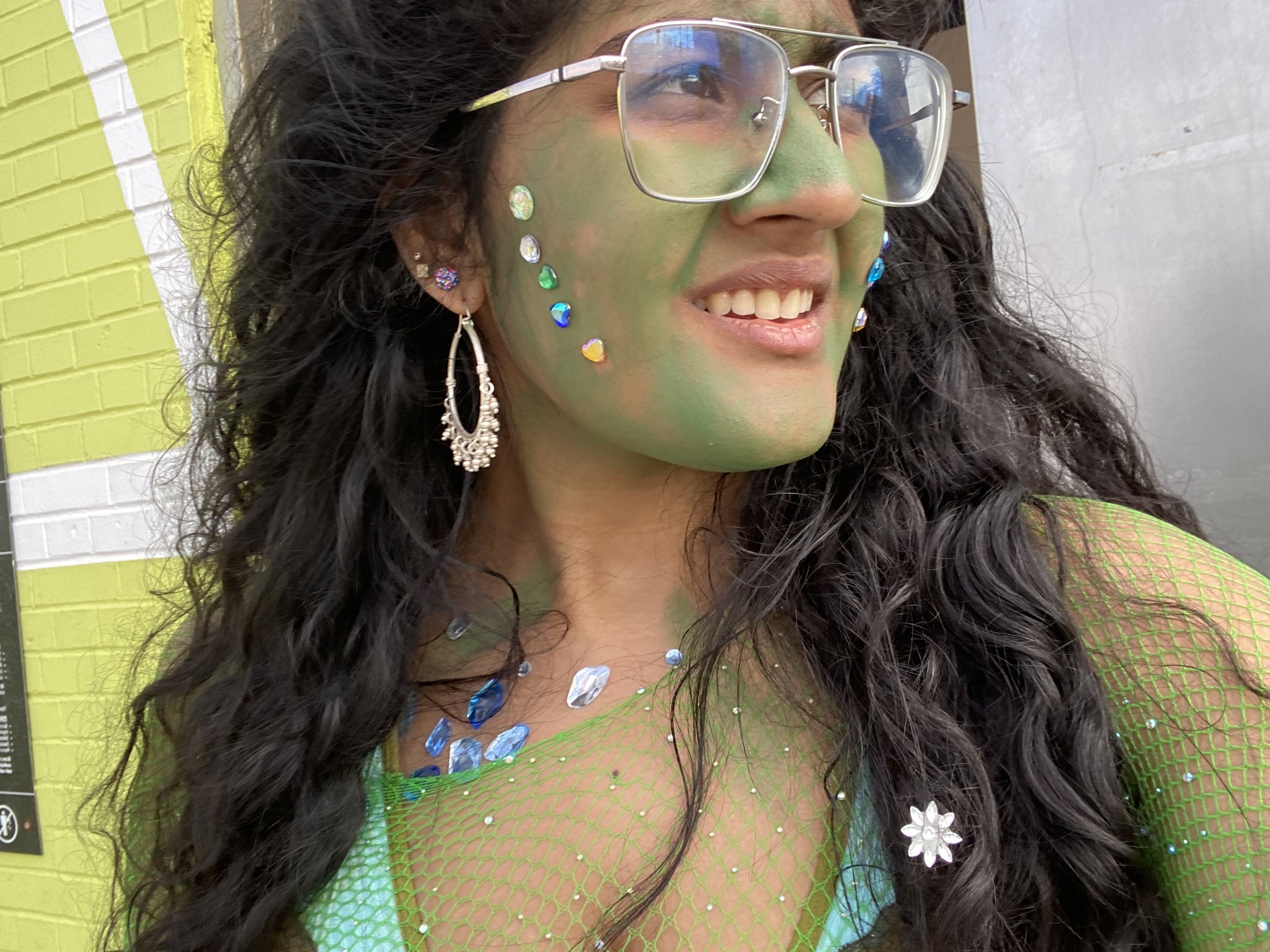
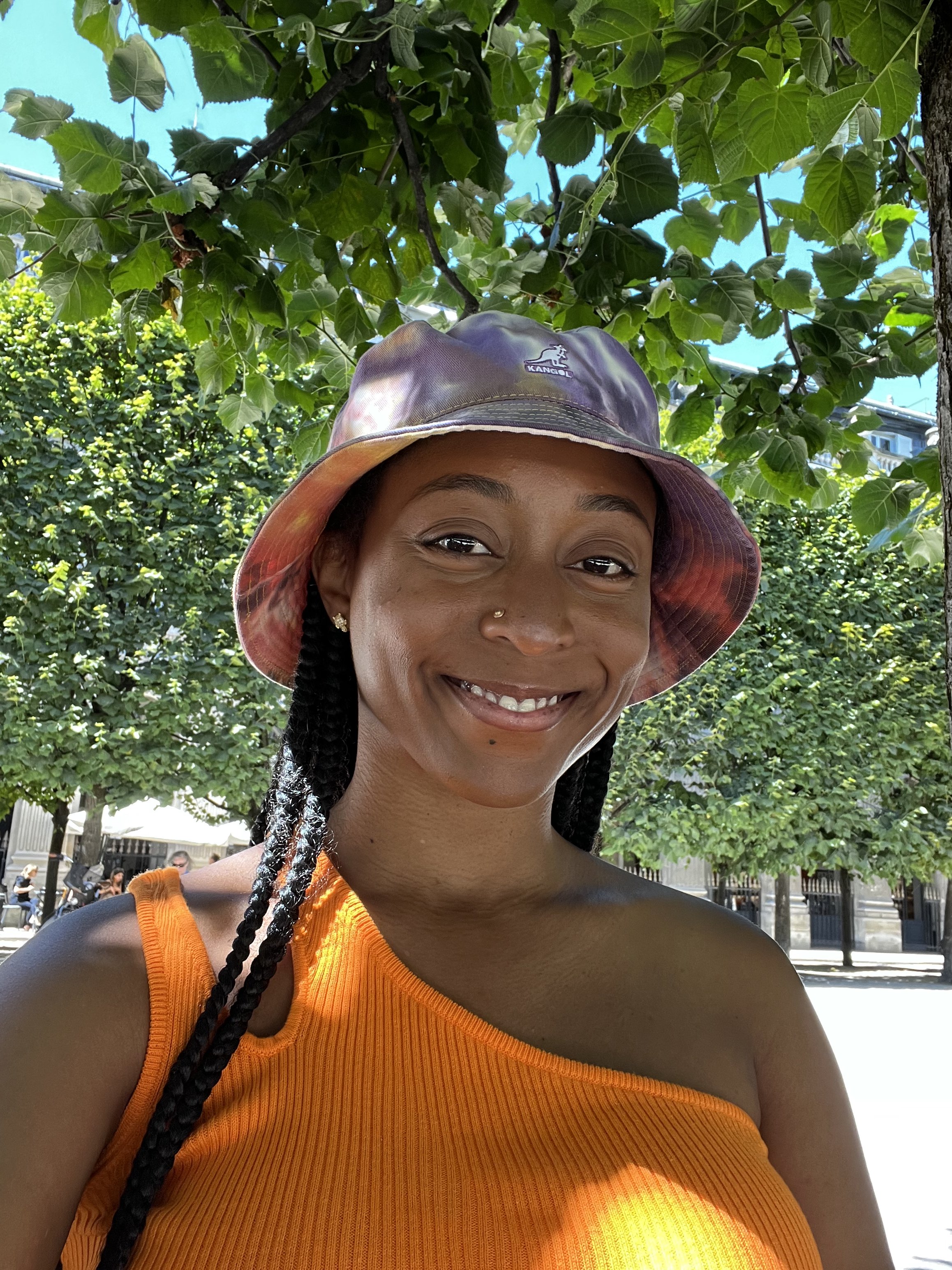
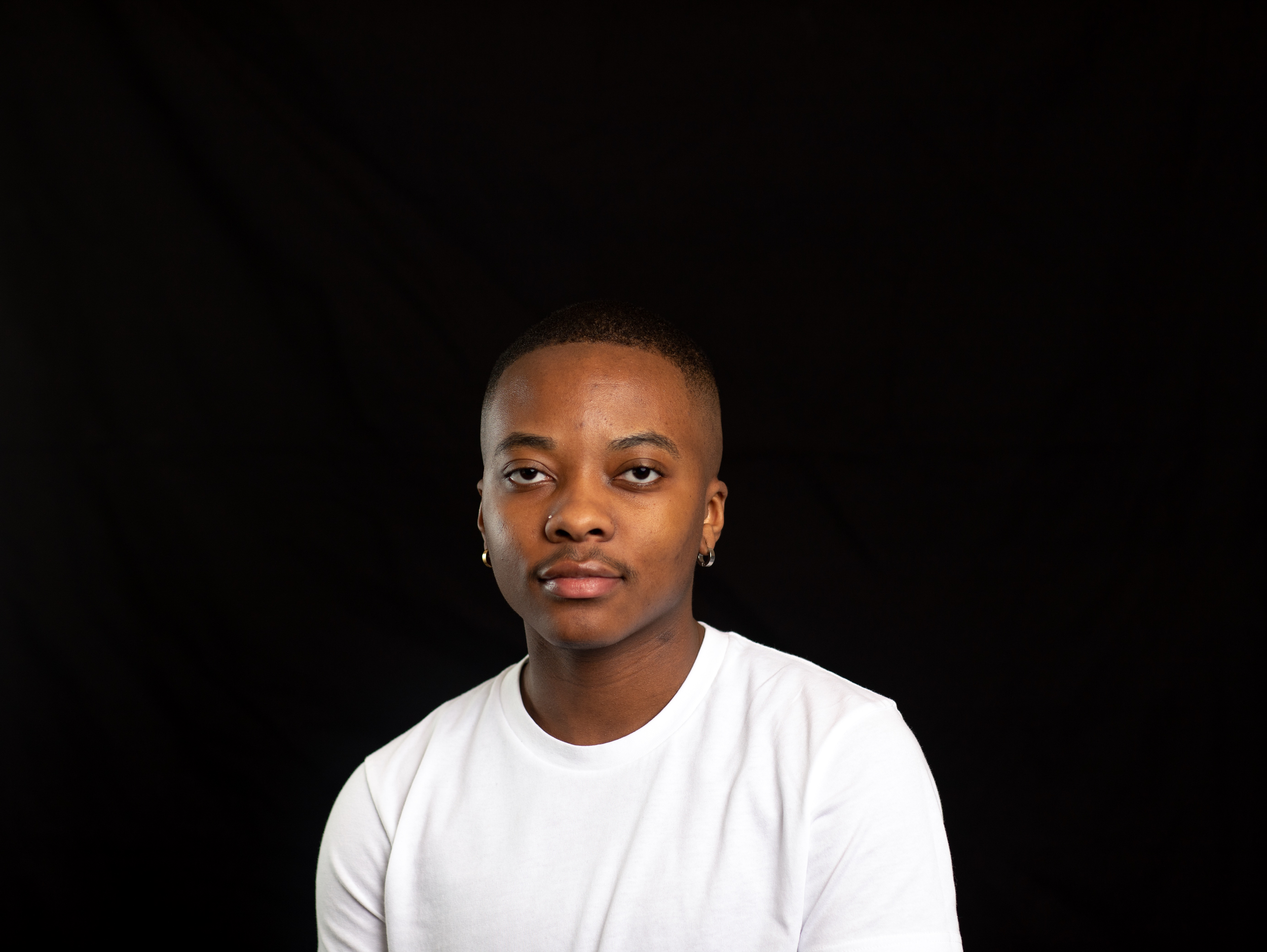
Genesis Project received 36 applications from New York, Philadelphia, several other US cities, and 8 countries abroad. The 5 aritsts come from diverse backgrounds, bringing their skills and curiosity to form a unique, dynamic group. They will converge at Basekamp in Philadelphia from August 1st-28th, 2009. Please read on for more information about the artists, and the overview of the residency.
A complete set of photos has been assembled on this Flickr page.
Interviews with each artist can be found on the Movement Research blog. Arturo Vidich and Aki Sasamoto interviewed each artist via Skype chat.
Interview #1: Carlos Monroy
Interview #2: Saul Melman
Interview #3: Meghan Flanigan
Interview #4: Fergus Byrne
|
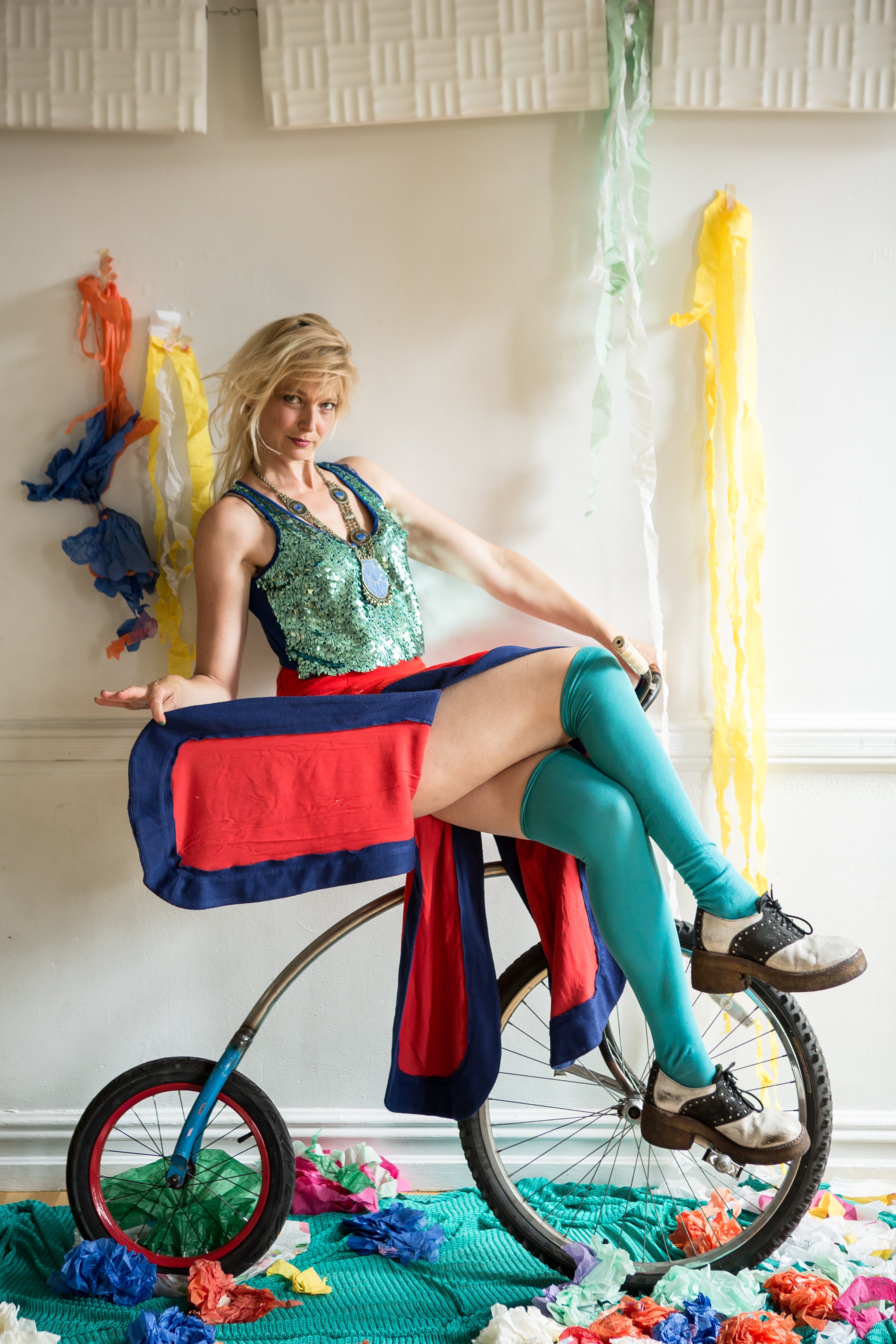
Fergus Byrne Fergus Byrne works across several media – drawing, video, performance and writing. He is currently on the Artist’s Residency Programme at The Irish Museum of Modern Art until March 31st 2009. Recent work has involved an exploration of the physical movement in martial arts, freestyle wrestling and Contact Improvisation Dance. This enquiry is being conducted through practical investigation of the above arts. Parallel to this is the project ‘Souvenirs of The Overworld’ a work exploring memory. An intensive study of Greek Classics and their mythology supports this investigation. His work has been featured recently in shows at IMMA, The Sycamore Gallery, Broadstone XL and Birr Union Workhouse. Samples of two dimensional work may be seen on the studio website.
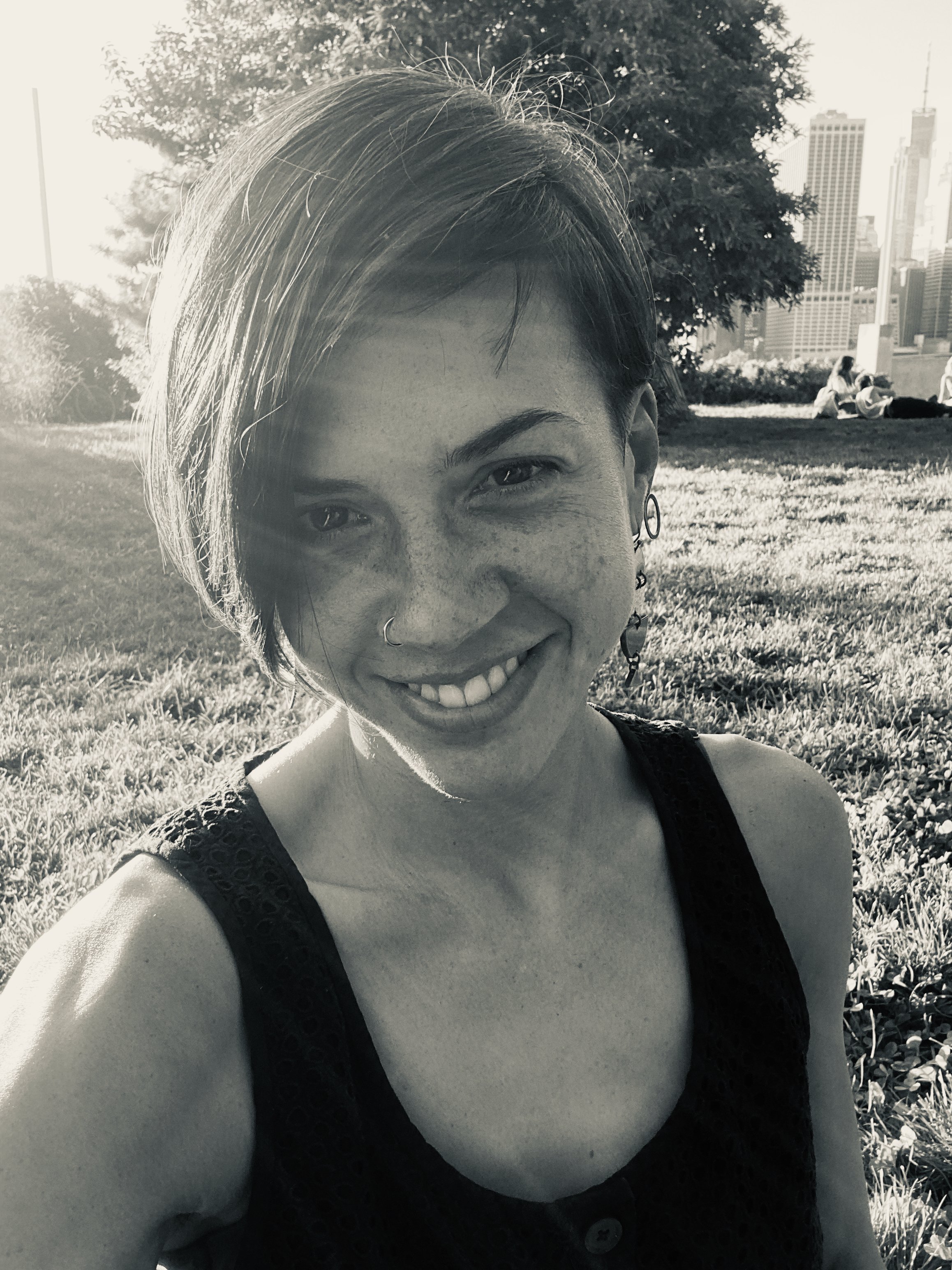
Meghan Flanigan
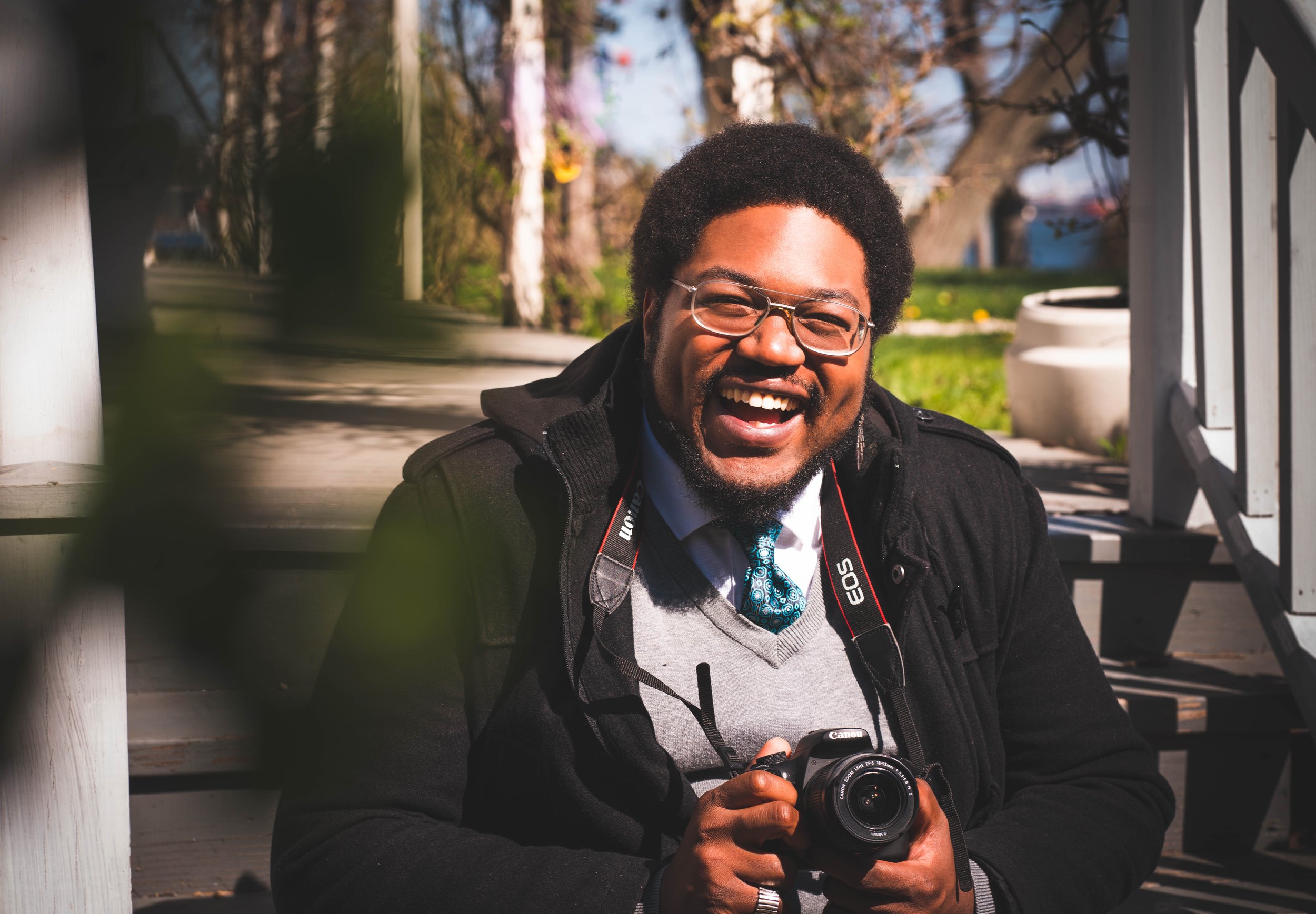
Saul Melman
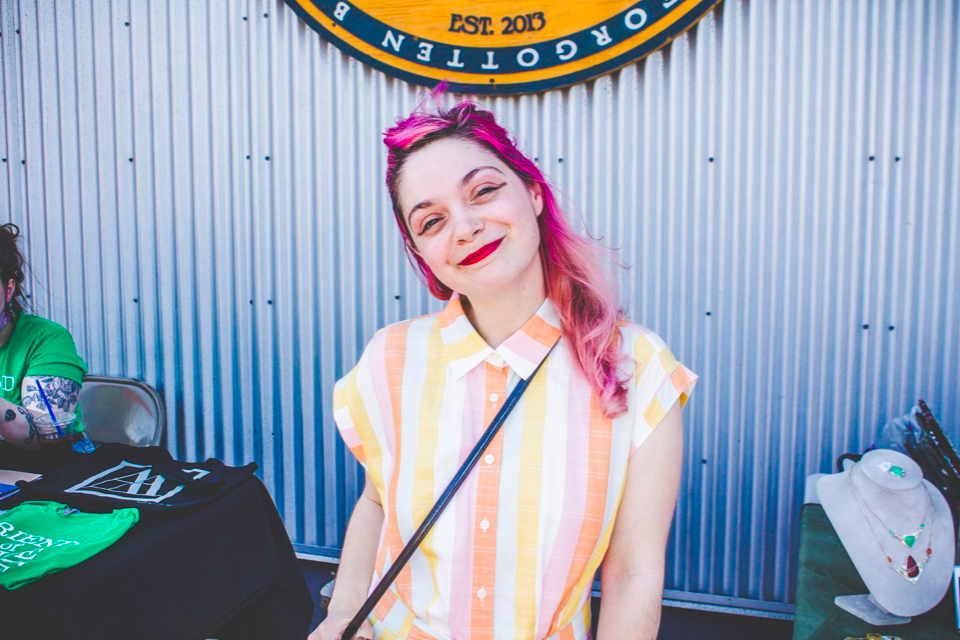
Carlos Eduardo Monroy Guerrero |
Overview
Directed by Culture Push Co-Founder, Arturo Vidich, Genesis Project, Philadelphia is a unique artist’s residency catering to body-based artists who identify as working between disciplines and/or seek to integrate other disciplines into their performance practice through open-source collaboration. The project is modeled after Genesis Project, Dublin, Ireland, which began in 2004 when dance artists Julie Lockett and Ella Clarke, in conversation with seminal post-modern choreographer Deborah Hay, asked the question 'as an artist, what do I need?' In August 2008, a Genesis Project, Los Angeles was hosted by the gallery, Sea and Space Explorations, and was directed by Hana van der Kolk with assistance by Arturo Vidich. In 2009 the project will be hosted by Basekamp, a non-commercial studio and exhibition space in Philadelphia, with assistance from Hana van der Kolk.
The aim of the Philadelphia incarnation of the project is to challenge the traditional format of artist residencies that end with an exhibition by overlapping the creative time with the show. Genesis facilitates an environment wherein creativity is the act of investigation rather than what is produced from it. As is evident in the Dublin incarnation of Genesis Project, this model yields a unique environment for investigation and the creation of innovative artistic, body-based work. The unique space provided by Basekamp will be open to the public weekly and artists at work in the project will be available for dialogue. The first Genesis, Philadelphia will take place in August 2009, occurring over the 4-week period between August 1st and 28th. We will offer five artists work space for non-burdened, daily solo practice, yielding an innovative technique for the creation of uniquely processed performance work. It is the intention of Genesis Project to sharpen the potency of each artist’s daily practice while advocating the exchange of increasingly necessary inter-disciplinary skills. Professionals in various art-related fields will be brought in for regular workshops and lecture series throughout the month. We hope to expand the program to serve a growing pool of artists and occur over a longer period of time in subsequent summers.
The project is sponsored by Basekamp in collaboration with Culture Push, a non-profit art company dedicated to giving people of all backgrounds access to life-changing ideas that will enrich their lives and inspire them to create and innovate. In addition, each artist is required to raise $400-$500 (or more) from within their own communities of colleagues, friends, or family to pay for costs of space maintenance, transportation and food. Institutional or governmental funding is also permitted. The idea is that this fundraising plan will ask participants to articulate their artistic needs and practice to the people in their life. In doing so they will also tell people about Genesis and its importance, and the importance of other programs like it, in the development of body-based, inter-disciplinary work. It is anticipated that donors will then have an investment in Genesis and that the project will cast a wider net of influence, functioning as a service not only to the resident artists, but also to these artists' communities. One international artist will be accepted into the project as an artist ambassador, returning home with the ethos of Genesis Project.


Project Structure
The 2000 sq/ft gallery space will be partitioned into two rooms; one room will be a studio for daily solo practice and the other room will be used as a space for collaboration, construction, and public dialogue. Each of the five artists will sign a contract with Genesis, agreeing to work in the studio space for 2-3 hours a day, 5 or 6 days a week throughout the month of August. In addition, participants will arrive 15 minutes before the start of their individual designated practice time and will sit in on the practice time of the preceding artist. This overlap window could include observation, dialogue, or collaboration as determined primarily by the artist already in the space. The Project Director as well as the participating artists will post suggestions, to be referred to or not, for ways in which these interactions might be structured. Four small studios on the second floor will be available to the artists for private use.
The Genesis Project artists will have exclusive and 24-hour access to the gallery at Basekamp. As such they will be able to store supplies in the space and make it comfortable for practice/work sessions, rest, and gathering. Housing will be provided throughout the residency for four artists from out of town, and one Philly artist will be able to commute from home to the centrally located space. The gallery has a woodshop, shower, lockers, kitchen and cafe-style dining room, which will house a library of literature pooled by the artists. An announcement board will be displayed, which participants may use in the service of offering one another ideas for structuring daily investigation. A collective journal will also be kept for more extensive writing on the practice sessions.
Weekly Group Meetings and Workshops
On Saturdays the group will gather for 8-10 hours to clean and maintain the studio and gallery, converse about the work they are engaged in, have optional showings of their investigations, and evaluate and refine of the structure of the residency. On these days the group will gather in the Basekamp kitchen to cook a delicious meal. The weekly meetings will also include participant-led workshops and/or one or two-day workshops led by people from the Philadelphia and New York communities, or abroad. In the months prior to Genesis Project, Director Arturo Vidich and the five participating artists will communicate with one another via an online discussion board in order to determine the nature of these workshops. Participants may make proposals to lead a workshop or may suggest an outside workshop leader. Workshop topics could include video or sound software, collective communication, various creative/movement practices, or other topics and media deemed useful, exciting, and relevant by the group. Throughout the residency, and particularly during the Saturday meetings, collective decision making about space maintenance, revisions to the residency structure, workshop topics and schedules, and other key components to the project, will be engaged as much as possible, though the Project Director will act as facilitator when necessary.
Documentation
Consistent documentation of all practices within the project will take place on a daily basis in written, photographed, filmed and inter-media form. This will provide the artists with a way of reflecting on and developing their practice after the project as well as serving as an archive for the development of future incarnations of Genesis.
Post-residency Web Contact
During the year following the residency (and beyond) Genesis Project artists will be able to stay connected via the project’s discussion board and website. Artists will be able to upload photos, video, and text to the site and may receive feedback on their work from the other participants with whom they have hopefully developed a trusted artistic relationship. The artists will communicate during the year following their residency to discuss how the residency has affected their artistic work in an effort to further develop future incarnations of the project, and to re-connect with the other Genesis participants and share current projects.
The Space
BASEKAMP is a non-commercial studio and exhibition space whose primary focus is to participate in the creation, facilitation and promotion of large scale collaborative projects by contemporary artists. Philadelphia is an example of a city whose visual art-world is currently in the process of self-definition. We have seen this as an opportunity to use the city as a home base to invite domestic and international collaborative groups in a joint experiment to develop new models of relations within overlapping art communities.To view past events and more photos of the space, please visit their website!
Director Arturo Vidich is an inter-disciplinary artist from New York City. His approach to experimental performance uses technology and movement to identify and reflect upon the way we process information through the senses. He is interested in treating the performer's body and sculptural materials as interchangeable objects, and in the possibilities that emerge out of resistance and limitation. Vidich graduated from Wesleyan University in 2003 with a B.A. in Dance. In 2007, Vidich co-founded an art organization called Culture Push, with Clarinda Mac Low and Aki Sasamoto. The mission of the organization is to create links between people and support artistic endeavors. Culture Push uses and goes beyond the world of specialization so that people of all backgrounds gain boundless access to life-changing ideas.
Arturo Vidich is a 2011 Master's candidate at the Interactive Telecommunications Program at NYU Tisch School of The Arts. He is a Movement Research Artist-in-Residence 2008-2010. He has collaborated with lower lights collective since 2004 at the Chocolate Factory as part of the Visiting Artist Residency, and through Movement Research. Vidich has shown his performance work in various locations and venues in New York City. He has shown work in Dublin, where he was the first Red Stables International Artist-in-Residence in 2007, funded by Dublin City Council. Since apprenticing with Genesis Project in Dublin, Vidich teamed up with Hana van der Kolk to start Genesis Project, Los Angeles. In 2004 and 2005, Vidich participated in two of Deborah Hay's Solo Performance Commissioning Projects, performing them in New York and several locations in Europe. He has taught mask making and performance to children and adults. Vidich has also worked with Yvonne Meier, Daria Faïn, Allison Farrow, Ishmael Houston-Jones, Hari Krishnan, Eiko & Koma, Clarinda Mac Low, Christopher Williams and Nami Yamamoto. His writing has been published in two Movement Research Performance Journals. Other interests include Dog Training, videography and writing short fiction.
Associate Director Hana van der Kolk is a dancer, choreographer, writer, and facilitator of movement experiences. Her choreographic projects combine elements of conceptual practice with the techniques of postmodern choreography and take place in a wide range of sites, including the stage, studios and galleries, in writing, on film, and in outdoor, public spaces. Hana brings to Genesis her experience with daily investigation as a body-based artist as well as her commitments to building community and considering her work as an artist in a wider social context. She is highly influenced by her long-time engagement with the work of legendary post-modern choreographer Deborah Hay, whose work she has been learning and adapting since 2000. Hay's methods for rigorous daily practice deeply shape Hana's work as an artist and inspire her as a teacher and director of Genesis Project. Her various adaptations of Hay's The Ridge and Boom, Boom, Boom have been performed/screened throughout the country.
Hana completed an MFA in choreography in UCLA's Department of World Arts and Cultures and recently collaborated with Robby Herbst on a reinterpretation of Alan Kaprow's Household, the film of which was be presented by MOCA, with My Barbarian on The Case of the Stairs, a site-responsive performance for LACMA, and with interdisciplinary artist Jesse Green on Ärztliche Zimmergymnastik, a video installation on view at the Tate Modern this fall. She is engaged in an ongoing collaboration with Carolina San Juan in which they create an intersection between disco and minimalist performance. Hana's site-specific participatory performance event Interim Uses took place in "the Cornfields" (Los Angeles State Historic Park) in downtown LA in May 2007. Formerly based in New York, Hana was an artist in residence at the Queens Museum of Art in 2004, and is a recipient of grants from the UC Institute for Research in the Arts, The Puffin Foundation, and the Forti Family Scholarship. She has taught dance at UCLA, Fritz Haeg's groundbreaking Sundown Schoolhouse, Earthdance, Movement Research, Skidmore College, The National Dance Museum in upstate New York, and at several public and private high schools.
We have received an exciting batch of applications for the first round. For 2009 guidelines and application materials, Click Here.